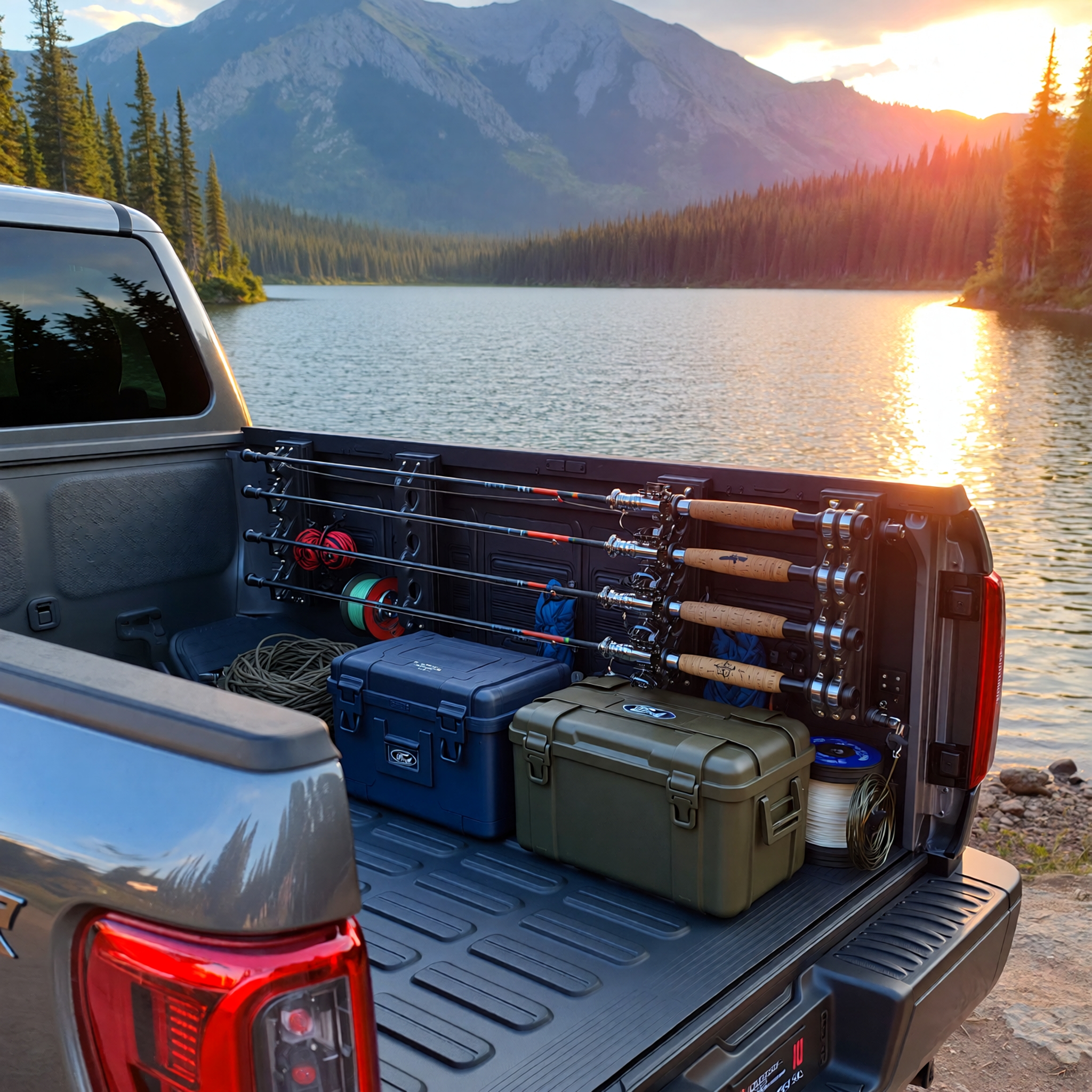
For many of us, the call of the open water, a quiet stream, or a bustling pier is irresistible. There’s nothing quite like the thrill of a tug on the line and the satisfaction of a successful catch. But before we even get to the water, there’s a crucial step: transporting our precious fishing gear safely and efficiently. If you’re an angler who owns a truck, you know the struggle.
Rods can be long, delicate, and prone to tangling or breaking when simply tossed into the bed or crammed into the cab. This is where the unsung hero of the fishing world comes in: the truck fish rod holder.
A dedicated truck fish rod holder isn’t just a convenience; it’s an essential piece of equipment that safeguards your investment, streamlines your journey, and keeps your focus where it should be – on the fishing itself. It’s about more than just getting your rods from point A to point B; it’s about ensuring they arrive in pristine condition, ready for action.
In this comprehensive guide, we’ll dive deep into everything you need to know about these invaluable accessories. We’ll explore the different types available, highlight the key features that define quality, uncover the myriad benefits they offer, and provide essential tips for installation, maintenance, and best practices. So, buckle up, because we’re about to equip your ride for the ultimate fishing adventure.
Understanding the Different Types of Truck Fish Rod Holders
When it comes to securing your rods, the market offers a diverse array of truck fish rod holder designs, each with its own advantages and ideal use cases. Choosing the right type depends on your truck model, the number and type of rods you carry, and your personal preferences for accessibility and security. Let’s explore the most common types we encounter.
Bed-Mounted Rod Holders
These are perhaps the most popular and versatile options. Bed-mounted rod holders attach directly to your truck’s bed, offering secure storage within the confines of the vehicle.
- Vertical Holders:
- Description: These stand upright, often along the bed rails or attached to a toolbox. They hold rods vertically, keeping them clear of the bed floor.
- Pros: Excellent for keeping rods untangled and organized; good for longer rods; often allows for easy access.
- Cons: Can sometimes interfere with bed cover functionality; rods might extend above the cab, requiring attention to overhead clearance.
- Horizontal Holders:
- Description: These mount horizontally, often along the inside of the bed rails or across the width of the bed.
- Pros: Keeps rods below the bed rails, protecting them from overhead obstacles; ideal for trucks with tonneau covers or caps.
- Cons: Can take up valuable bed space; might require more careful loading to prevent tangles.
Bumper-Mounted Rod Holders
For those who need to keep their bed clear or prefer exterior storage, bumper-mounted rod holders are an excellent choice.
- Description: These typically attach to your truck’s front or rear hitch receiver, or directly to the bumper itself. They often extend outwards, holding rods horizontally or at a slight angle.
- Pros: Frees up bed space entirely; provides quick and easy access to rods; can be removed when not in use.
- Cons: Rods are exposed to road debris, bugs, and weather; can obstruct vehicle lights or license plates (check local laws); adds to the overall length of the vehicle, requiring more caution when parking or maneuvering.
Roof-Mounted Rod Holders
When bed or bumper space is at a premium, or for anglers who prioritize maximum rod protection from road debris, roof-mounted rod holders are a strong contender.
- Description: These attach to your truck’s existing roof rack system. They typically clamp down on the rods, holding them securely above the vehicle.
- Pros: Keeps rods completely out of the truck bed and cab; excellent protection from road grime; suitable for very long rods; good aerodynamics when designed well.
- Cons: Requires a roof rack system; can be less convenient for loading/unloading, especially for taller trucks; rods are exposed to weather; potential for reduced fuel efficiency due to increased drag.
Window/Tailgate-Mounted Rod Holders
These are generally more temporary or specialized solutions, often relying on suction cups or clamp mechanisms.
- Description: Designed to attach to glass surfaces (windows) or the tailgate, providing quick, often temporary, rod storage.
- Pros: Very quick to install and remove; highly portable; useful for short trips or when you need a temporary spot for a rod.
- Cons: Not as secure for long-distance travel; capacity is usually limited to one or two rods; less durable than other options; can interfere with window operation.
Specialty/Custom Rod Holders
Beyond the common categories, there are also specialized truck fish rod holder designs, including those integrated into toolboxes, custom-fabricated solutions for unique truck setups, or DIY projects. These cater to very specific needs and often combine features from the more standard types.
Understanding these different types is the first step in choosing the perfect truck fish rod holder to complement your fishing lifestyle and your truck.
Key Features to Look for in a Quality Truck Rod Holder
Investing in a truck fish rod holder is about more than just a place to put your rods; it’s about protecting valuable equipment and ensuring a hassle-free journey. To make a wise choice, we need to consider several key features that contribute to a holder’s durability, functionality, and overall value.
Material and Durability
The construction material is paramount to a rod holder’s longevity and performance, especially given its exposure to the elements.
- Aluminum: Lightweight, corrosion-resistant, and strong. Often anodized for extra protection. Excellent choice for saltwater environments.
- Stainless Steel: Extremely durable and highly resistant to rust and corrosion. Heavier than aluminum but offers superior strength.
- Heavy-Duty Plastic/PVC: Economical, lightweight, and resistant to corrosion. Best for freshwater use or less demanding applications. Look for UV-stabilized plastics to prevent degradation from sun exposure.
- Powder-Coated Steel: Offers good strength and decent corrosion resistance, provided the coating remains intact. More susceptible to rust if scratched.
We recommend prioritizing materials that can withstand the specific environmental conditions you typically fish in, especially if saltwater is involved.
Mounting Versatility
A good truck fish rod holder should adapt to your needs, not the other way around.
- Adjustability: Look for holders that allow you to adjust the angle, height, or spacing of the rod tubes. This is crucial for accommodating different rod lengths, reel sizes, and even different types of fishing (e.g., fly rods vs. spinning rods).
- Vehicle Compatibility: Ensure the holder is designed to fit your specific truck model, bed size, or hitch receiver type. Universal designs exist, but always double-check mounting requirements.
Security Features
Protecting your rods from theft and damage is a top priority.
- Locking Mechanisms: Many high-quality holders come with integrated locks or have provisions for padlocks, deterring opportunistic theft.
- Secure Fasteners: The mounting hardware should be robust and designed to hold the holder firmly in place, even over rough terrain.
- Rod Retention: Ensure the holder securely grips the rods, preventing them from bouncing out during transit. This can include bungee cords, rubber straps, or spring-loaded clamps.
Capacity
Consider how many rods you typically carry on a trip.
- Number of Rods: Holders come in various capacities, from single-rod carriers to units that can hold six or more. Choose one that comfortably accommodates your usual load without being excessively large.
- Rod Type Accommodation: Some holders are designed with wider tubes for larger offshore rods, while others have narrower slots suitable for lighter freshwater setups. Ensure the holder can accommodate the diameter of your rod handles and reels.
Ease of Installation and Removal
Your time is valuable, especially when you’re eager to hit the water.
- Tool-Free or Minimal Tools: Many modern designs emphasize quick and easy installation, often requiring only basic hand tools or no tools at all for attachment and detachment.
- Quick-Release Systems: For bumper or roof-mounted holders, a quick-release mechanism can be a huge convenience, allowing you to remove the holder when not in use.
Rod Protection
Beyond just holding rods, a quality holder should protect them from wear and tear.
- Padding and Soft Inserts: The interior of the rod tubes or clamps should be lined with soft, non-abrasive materials (like rubber, foam, or felt) to prevent scratches, dings, and chafing on your rod blanks and handles.
- Weather and Debris Protection: While not all holders fully enclose rods, some offer better shielding from road grit, bugs, and direct exposure to rain or sun, which can degrade line and rod finishes over time.
By carefully evaluating these features, we can select a truck fish rod holder that not only meets our immediate needs but also provides long-term reliability and peace of mind.
Benefits Beyond Transport: Why Invest in a Truck Rod Holder?
While the primary function of a truck fish rod holder is to transport our fishing rods, its value extends far beyond mere conveyance. Investing in a quality holder brings a host of advantages that enhance our fishing experience, protect our gear, and even improve the safety of our journey. Let’s explore these often-overlooked benefits.
Enhanced Safety
The safety aspect is paramount, both for our equipment and for everyone on the road.
- Prevents Projectiles: Unsecured rods in the truck bed or cab can become dangerous projectiles during sudden stops, sharp turns, or accidents, potentially causing injury to passengers or damage to the vehicle’s interior. A dedicated holder keeps them firmly in place.
- Clears Interior Space: By moving rods out of the cab, we eliminate trip hazards, maintain clear sightlines, and prevent distractions, contributing to safer driving. Imagine not having to worry about a rod poking you in the eye as you reach for something!
Rod Protection and Longevity
Our fishing rods, especially high-quality ones, represent a significant investment. A truck fish rod holder acts as a guardian for this valuable gear.
- Protects Against Breaks and Scratches: Rods are delicate. Tossing them in the bed exposes them to impacts from other gear, shifting cargo, or simply bouncing around. Holders provide a cushioned, stable environment, preventing costly breaks, nicks, and scratches to blanks, guides, and reel seats.
- Prevents Tangles and Damage to Line/Reels: When rods are haphazardly stored, lines can tangle, guides can bend, and reels can be scratched or damaged. A holder keeps each rod separate and secure, preserving the integrity of our entire setup.
- Extends Gear Lifespan: By minimizing wear and tear during transit, a rod holder helps to significantly extend the functional life of our rods and reels, saving us money in the long run.
Convenience and Organization
The sheer convenience offered by a truck fish rod holder is a game-changer for any angler.
- Quick Access: With rods neatly organized and readily accessible, we can spend less time fumbling with gear and more time fishing. No more digging through a pile of blankets or other equipment to find the right rod.
- Reduces Clutter: It keeps the truck bed and cab tidy, allowing us to use that space for other essential gear, coolers, or luggage.
- Ready for Spontaneous Fishing: Imagine driving past a promising spot. With your rods securely mounted, you can pull over, grab a rod, and be fishing in minutes, without the hassle of untangling or assembling gear.
Space Optimization
Trucks are built for utility, and a rod holder helps maximize that utility.
- Frees Up Truck Bed/Cab Space: By providing a dedicated external or internal storage solution for rods, we free up precious interior and bed space for other crucial items like tackle boxes, waders, camping gear, or even more passengers. This is especially beneficial for longer trips or when hauling a lot of equipment.
Professional Appearance
While perhaps a minor point, an organized truck reflects a prepared and serious angler.
- Looks Organized and Prepared: A well-mounted truck fish rod holder gives our vehicle a professional, purpose-built appearance. It signals that we’re serious about our passion and take care of our equipment.
“According to a survey by Angler’s Choice Magazine, 78% of anglers who use a dedicated truck fish rod holder report fewer incidents of rod damage compared to those who don’t,” states a recent industry report. This statistic underscores the tangible benefits of this simple yet effective accessory. Investing in a quality rod holder isn’t just about transport; it’s about enhancing every aspect of our fishing journey, from safety to enjoyment.
Installation, Maintenance, and Best Practices for Your Rod Holder
Once we’ve chosen the perfect truck fish rod holder, proper installation, diligent maintenance, and adherence to best practices are crucial to ensure its longevity and the continued protection of our valuable fishing gear.
Installation Guide (General Steps)
While specific instructions will vary by model, these general steps apply to most truck fish rod holder installations:
- Read the Instructions Thoroughly: This is the most critical first step. Every holder has unique mounting requirements and safety warnings.
- Gather Necessary Tools: Most installations require basic hand tools like wrenches, screwdrivers, or an Allen key set. Ensure you have everything before starting.
- Identify Mounting Points:
- Bed-Mounted: Locate sturdy points on your bed rails, toolbox, or within the bed itself where the holder can be securely attached. Ensure clearance for bed covers if applicable.
- Bumper-Mounted: Confirm your hitch receiver size (e.g., 2-inch) matches the holder, or identify secure bumper attachment points.
- Roof-Mounted: Ensure your roof rack crossbars are correctly positioned and rated for the weight of the holder plus rods.
- Assemble the Holder (if necessary): Some holders come partially disassembled and require a few steps to put together before mounting.
- Position and Secure: Carefully position the holder according to the instructions, ensuring it’s level and does not obstruct any vehicle functions (lights, license plates, mirrors). Attach all mounting hardware, tightening bolts and clamps firmly but without overtightening, which could strip threads or damage surfaces.
- Test Stability: Once installed, gently shake the holder to ensure it’s rock-solid. Load a few rods and drive a short, slow test run to listen for any rattling or instability. Readjust if necessary.
Maintenance Tips
Regular maintenance will significantly extend the life of your truck fish rod holder and keep it performing optimally.
- Regular Cleaning: After each trip, especially if fishing in saltwater or muddy conditions, rinse the holder thoroughly with fresh water to remove salt, dirt, and debris. Use a mild soap and brush if necessary.
- Check Fasteners: Periodically inspect all bolts, screws, clamps, and straps. Vibrations from driving can loosen them over time. Tighten anything that feels loose.
- Lubricate Moving Parts: If your holder has hinges, quick-release mechanisms, or adjustable parts, apply a silicone-based lubricant or marine-grade grease to keep them operating smoothly and prevent corrosion.
- Inspect Padding/Inserts: Check the internal padding or rubber inserts for wear, tears, or hardening. Damaged padding can scratch rods. Replace if necessary.
- Address Corrosion Promptly: If you notice any signs of rust or corrosion, clean the affected area, sand it lightly, and apply a rust-inhibiting primer and paint, especially on steel components.
Best Practices for Use
To maximize the benefits and safety of your truck fish rod holder, follow these best practices:
- Always Secure Rods Tightly: Never assume your rods are safe just because they’re in the holder. Use all provided straps, bungee cords, or locking mechanisms to ensure each rod is firmly secured and cannot bounce out.
- Consider Rod Socks/Sleeves: Even with padded holders, using rod socks or sleeves can add an extra layer of protection against minor abrasions and tangles, especially for delicate guides.
- Drive Cautiously: While a good holder is robust, extreme off-roading or high speeds over rough terrain can still stress your gear. Drive with a bit more caution when carrying rods.
- Remove Rods When Not in Use: For security reasons, it’s always best to remove your expensive rods from the holder and store them indoors when the truck is parked for extended periods or overnight, even if the holder has a locking mechanism.
- Check Local Regulations: Some jurisdictions have regulations regarding how far objects can extend beyond the vehicle’s bumper or sides, or requirements for flags on oversized loads. Always be aware of and comply with local laws.
“A well-maintained truck fish rod holder isn’t just about convenience; it’s about protecting a significant investment,” advises veteran angler Captain Mike Smith. “Regular checks can prevent costly damage to your rods and reels, and ensure you’re always ready for your next cast.” By following these guidelines, we can ensure our rod holder serves us reliably for many fishing seasons to come.
Frequently Asked Questions (FAQ) About Truck Fish Rod Holders
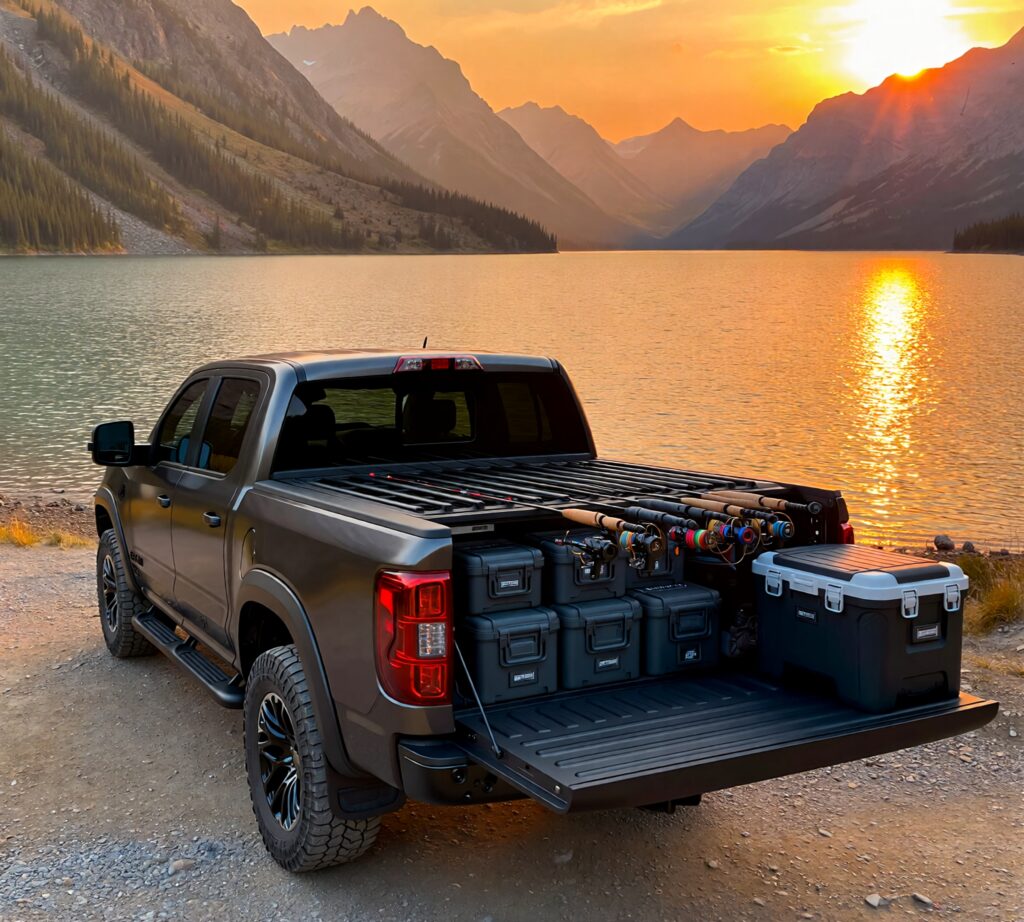
We often encounter common questions when anglers consider purchasing or using a truck fish rod holder. Here, we address some of the most frequent inquiries to help clarify any doubts.
1. Are truck fish rod holders universal?
No, truck fish rod holders are generally not universal. While some designs offer a degree of versatility, most are designed for specific mounting points (e.g., a 2-inch hitch receiver, specific bed rail systems, or roof rack crossbar dimensions). Always check the product’s compatibility with your specific truck model and any existing accessories (like tonneau covers or toolboxes) before purchasing.
2. How many rods can a typical holder carry?
The capacity of a truck fish rod holder varies widely by type and design.
- Small holders might carry 1-2 rods.
- Medium holders typically accommodate 3-4 rods.
- Larger, more robust holders can often hold 5-6 rods, and some specialized models can carry even more. Consider your typical fishing trips and the number of rods you usually transport when choosing a capacity.
3. Can I leave my rods in the holder overnight?
We generally advise against leaving expensive fishing rods in a truck fish rod holder overnight, even if the holder has a locking mechanism. While locks deter casual theft, they are not foolproof. Exposure to dew, rain, or extreme temperatures overnight can also be detrimental to your rods and reels. For maximum security and protection, it’s always best to remove your rods and store them indoors.
4. Do they affect fuel economy?
Yes, a truck fish rod holder can potentially affect your truck’s fuel economy, especially roof-mounted or bumper-mounted types that create additional aerodynamic drag. The impact is usually minor for smaller, bed-mounted holders. However, larger, more exposed holders (especially those extending above the cab or significantly beyond the bumper) can increase wind resistance, leading to a slight decrease in fuel efficiency. The extent of this impact depends on the holder’s design, your driving speed, and the specific vehicle.
5. Are there any legal restrictions on using a truck fish rod holder?
Legal restrictions can vary by state or region. Common regulations might include:
- Length Restrictions: How far an object can extend beyond the front or rear bumper of your vehicle.
- Visibility Requirements: If the holder or rods obstruct your license plate, lights, or driver’s view.
- Flagging Requirements: Some states require a red or orange flag to be attached to loads that extend a certain distance beyond the vehicle’s rear. We strongly recommend checking your local Department of Motor Vehicles (DMV) or equivalent transportation authority for specific regulations in your area before using a truck fish rod holder.
6. How do I choose the right size holder for my rods?
To choose the right size holder, consider:
- Rod Length: Ensure the holder is long enough to support your longest rod without excessive overhang or short enough to fit your truck’s dimensions.
- Rod Handle/Reel Size: The diameter of the rod tubes or the size of the clamping mechanisms must accommodate the widest part of your rod handles and reels. Some holders have wider slots for larger offshore reels.
- Number of Rods: Match the holder’s capacity to the number of rods you typically carry. Measure your rods and reels, and compare those measurements to the specifications provided by the truck fish rod holder manufacturer.
Conclusion: Secure Your Catch, Secure Your Journey
As we’ve explored, a truck fish rod holder is far more than just an accessory; it’s an indispensable tool for any truck-owning angler. From safeguarding your valuable fishing rods against damage and theft to streamlining your travel and enhancing overall safety, the benefits are clear and compelling. We’ve delved into the diverse types available, highlighted the critical features that define a quality product, and provided essential guidance on installation, maintenance, and best practices.
Choosing the right truck fish rod holder means considering your specific needs, your truck’s configuration, and the type of fishing you love. Whether you opt for a discreet bed-mounted unit, a convenient bumper-mounted option, or a robust roof-mounted system, the goal remains the same: to ensure your gear arrives at your destination in perfect condition, ready for action.
By investing in a well-chosen and properly maintained truck fish rod holder, we’re not just buying a piece of equipment; we’re investing in peace of mind, greater convenience, and ultimately, a more enjoyable and productive fishing experience. So, gear up your ride, secure your catch, and embark on your next fishing journey with confidence. Happy fishing!